—
- Der Verkehr wird um Afrika umgeleitet, was sieben bis zehn zusätzliche Reisetage und zusätzliche Kosten verursacht
- Lieferungen werden verzögert und monatelange Rückstände können in den Lieferketten auftreten
- Brent-Rohöl stieg innerhalb einer Woche um fast acht Prozent auf etwas über 80 Dollar
- Erhöhungen der Frachtraten sollten sich positiv auf das Geschäft der heimischen Reeder auswirken, insbesondere auf Tankerska plovidba, die die größte Tankerflotte in Kroatien hat
—
Die Störung des Schiffsverkehrs im Roten Meer hat sich bisher nicht verschärft, judging by the movement of freight rates for shipping, but an increase in container transport costs is already noticeable. However, analysts emphasize that the coming weeks will show how viel globaler Schiffsverkehr betroffen ist und ob es zu einer Beruhigung kommen wird.
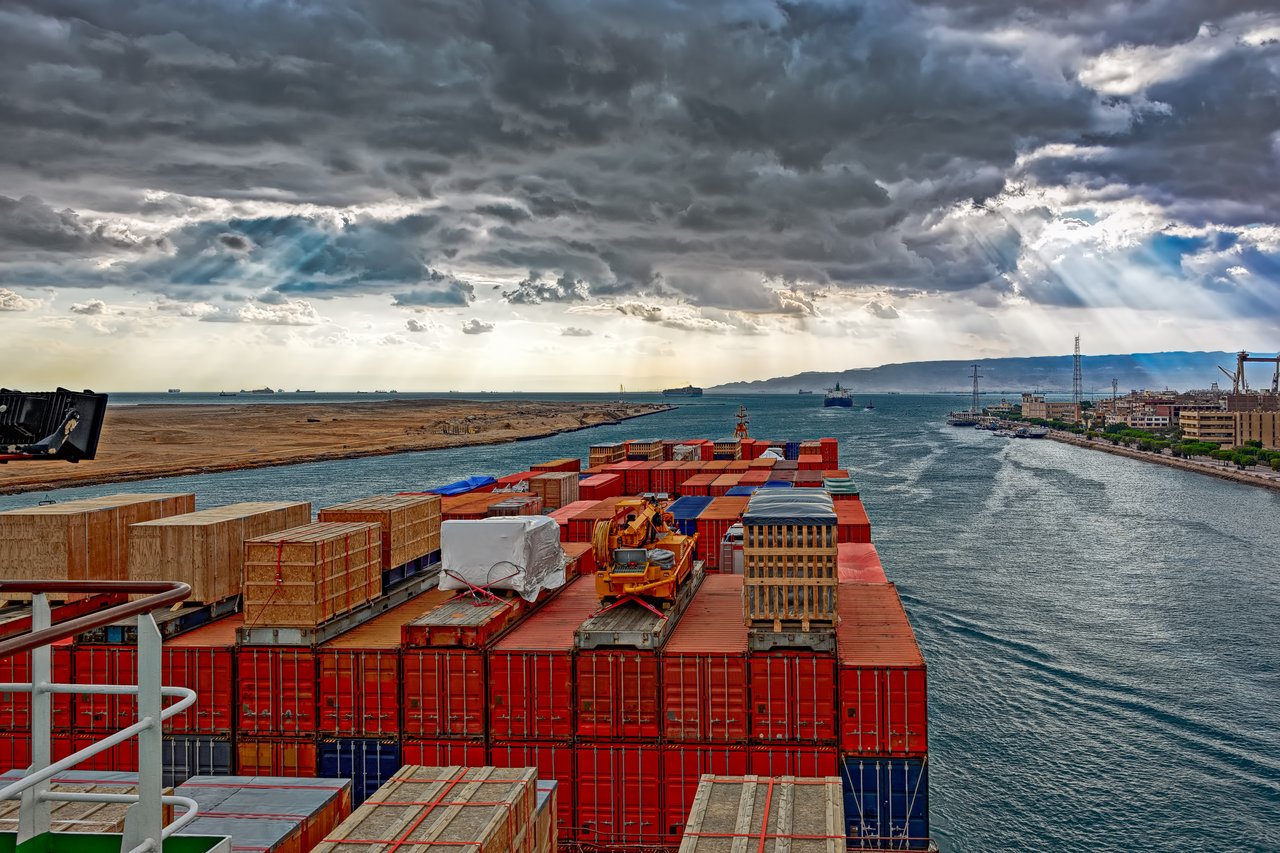
According to agencies, the United States launched a multinational maritime operation on Tuesday aimed at protecting commercial traffic in the Red Sea. This is a response to the increasingly frequent attacks by Yemeni Houthis, who have been launching drones and rockets at ships passing through the area since last month in retaliation for Israeli military attacks on the Gaza Strip. The attacks have begun to take an increasing toll on international trade due to disruptions in the main maritime routes connecting Europe and North America with Asia through the Suez Canal.
Route Disruption
Recall that the British oil company BP halted all traffic of its cargo through the Suez Canal after the leading global container carrier Maersk redirected its ships to the South African Cape of Good Hope. The list of shipping companies avoiding the Red Sea is getting longer every day. However, sailing around Africa extends the journey and, of course, increases transportation costs.
Tensions in that part of the world are also reflected in oil prices. On Wednesday morning, WTI oil was trading at $74.6 per barrel, which is 7.3 percent higher than the previous week. Brent crude oil increased by almost eight percent in a week, to just over $80.
– For now, the U.S.-led maritime operation has not alleviated concerns about safe passage through the Red Sea as leading shipping carriers continue to choose the detour – emphasizes Yeap Jun Rong, an analyst at investment firm IG, for Reuters.
The disruption of maritime traffic in the Red Sea and through the Suez Canal means a disruption of the route through which 30 percent of global container traffic, 12 percent of the value of world trade, and seven million barrels of oil per day pass, emphasizes Erste Bank analyst Petar Mezga.
– This traffic is being redirected around Africa, adding seven to ten additional days of travel and extra costs. The case from 2021 when a container ship was stranded for a week in Suez showed that even a short-term disruption in maritime traffic can cause delays in supply chains for the next few months until transportation normalizes – says Mezga.
As he adds, the size of the global shipping fleet is limited, and longer journeys to destinations mean that less cargo can be transported in a given time, leading to delays in deliveries and potentially creating months-long backlogs.
– This will increase freight rates across all categories, especially for tankers, as tanker transport was already in a situation of extreme capacity constraints and historically high freight rates before this crisis. The reason for this is the consequences of the new trade regime resulting from sanctions against Russia, when European countries halted imports of Russian oil and gas and replaced them with oil and LNG from North America and the Middle East, while Russian oil was transported to China and India. This has significantly extended the average tanker transport mileage and resulted in record-high freight rates due to a shortage of tankers – emphasizes the Erste analyst, adding that the disruption of traffic through the Suez route will further extend tanker mileage.
Additional Costs
Shipowners have begun to increase freight rates, both due to the decision to sail around the Horn of Africa instead of through Suez and due to the increase in war risk premiums charged by insurance companies, says Marin Škufca, CEO of Liburnia Shipping Agency, for Lider.
– The increase is primarily seen in the container and liner shipping segments. We specifically received an invoice for an additional war risk insurance premium, where one shipowner sent us a quite large additional amount for transport. Freight rates for a 40-foot container between Europe and the Middle East range from $1,300 to $1,500, and with this additional cost, the price in some cases nearly doubles – says Škufca.
In general cargo, he has not yet noticed an increase in freight rates, he adds.
– I would emphasize that all this is happening at a time of a rather weak market where freight rates are at low levels. Currently, there is a small supply of cargo, so shipowners are lowering prices to fill cargo space. For example, we are currently negotiating transport for three ships, and no carrier has mentioned the issue of passing through Suez and the Red Sea. In the coming weeks, we will see if this problem escalates. If it does, a general increase in freight rates is to be expected – assesses Škufca.
Petar Mezga explains that there is somewhat of a free capacity for transport in the bulk and container domain, but not in tanker transport.
– Therefore, it is expected that this will primarily positively affect tanker freight rates, but increases are also expected in the other two categories. The exact impact on freight rates will primarily depend on the length of this disruption, and such movements in freight rates should positively reflect on the business of domestic shipowners, especially Tankerska plovidba, which has the largest tanker fleet in Croatia – says Mezga.
Regarding the stock prices of the two largest shipping companies listed on the Zagreb Stock Exchange, in the last week, the value of Atlantska plovidba decreased by 0.4 percent, while the price of Jadroplov increased by 4.5 percent. Recall that Atlantska plovidba is engaged in the transport von Schüttgut, während Jadroplov fünf Massengutfrachter und zwei LNG-Schiffe hat.