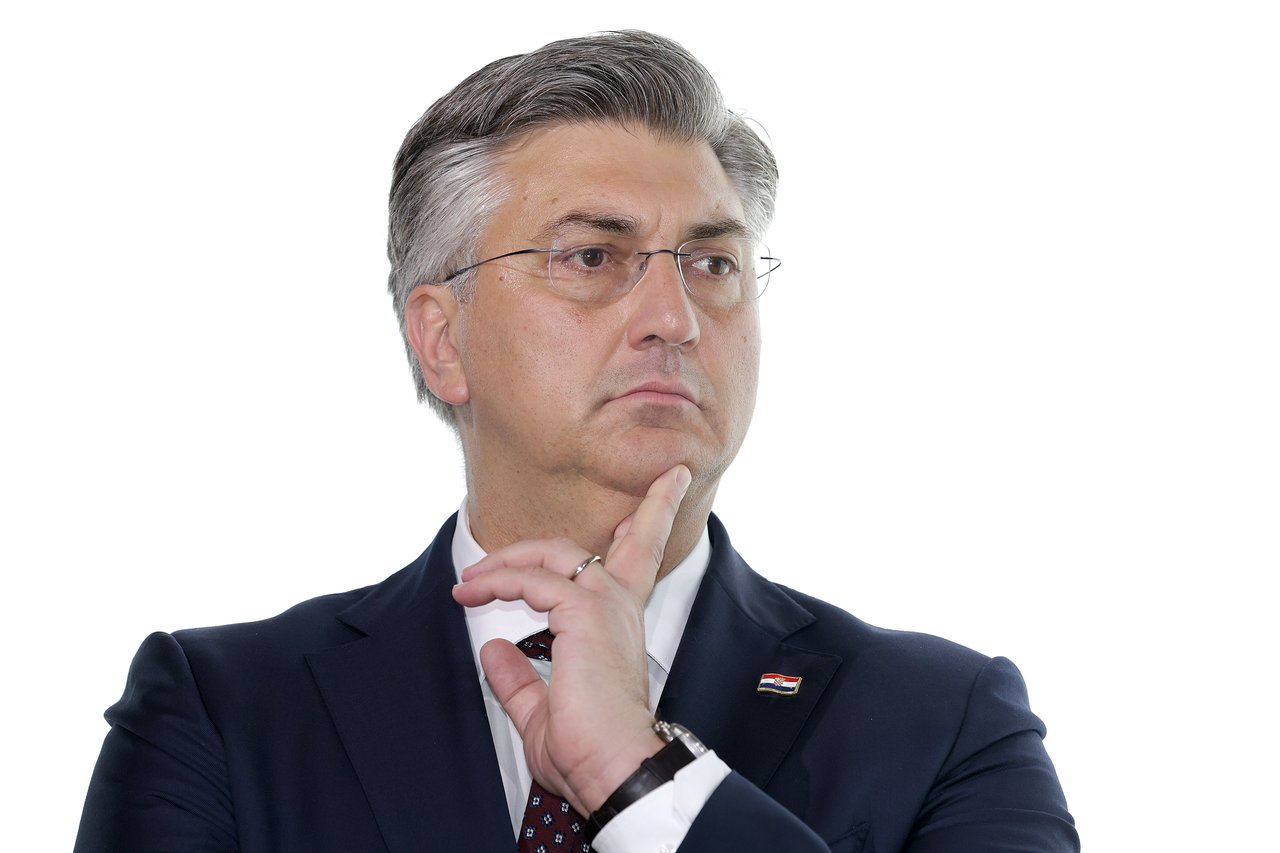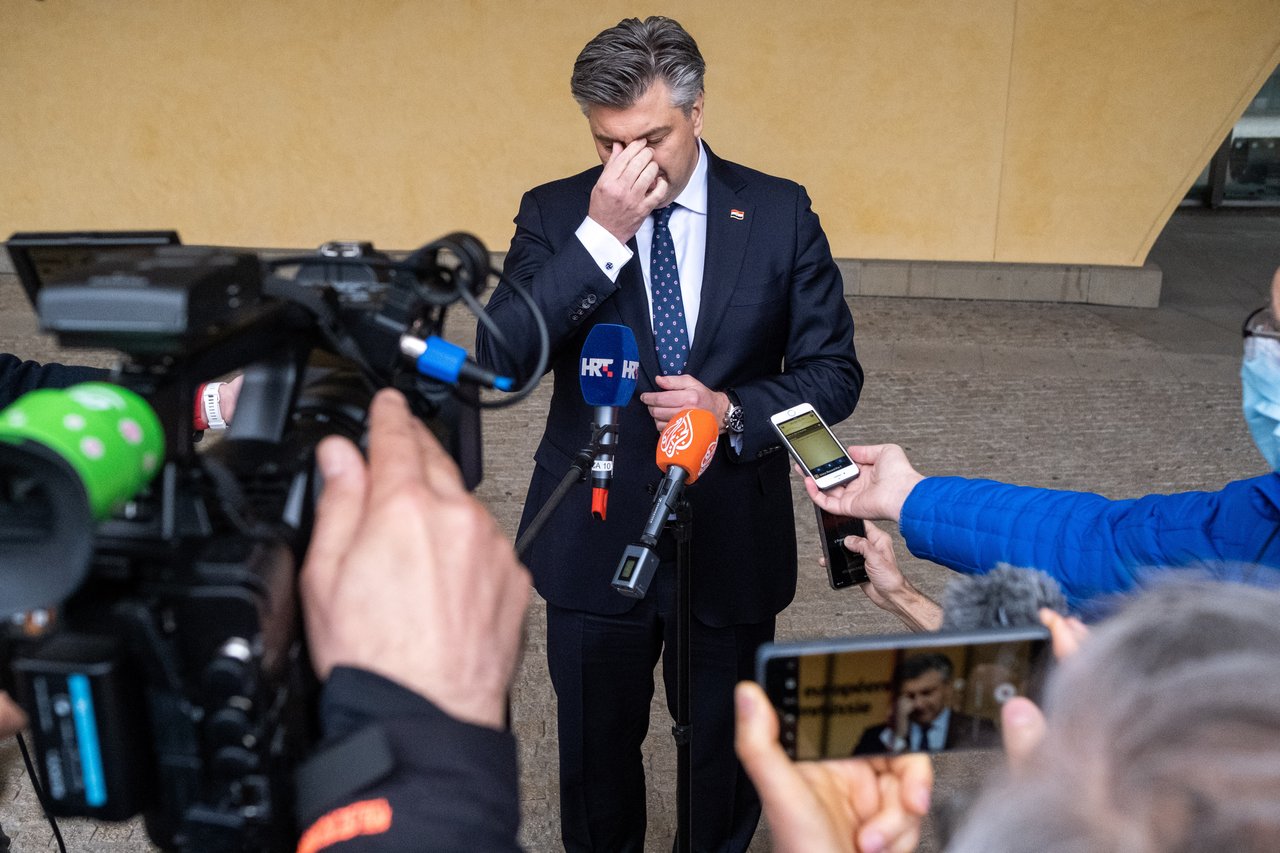
We are going to elections. The first association: Even after Plenković – Plenković. In a match with a pre-known (relative) winner, the electoral battle will be fought, metaphorically speaking, on goal difference. Whether the complete status quo of Plenković’s executive power with the current coalition partners will be maintained, which is his undisguised wish, or whether he will be forced to seek a coalition partner who will limit his governing power depends on that goal difference.
Despite pre-election polls indicating worse results for HDZ than four years ago, Andrej Plenković remains the undisputed conductor (of) these elections. This will be shown at every step, until the voting day, from the very announcement of the decision to dissolve the Parliament at the celebration of HDZ’s anniversary, which also marked the unofficial start of HDZ’s election campaign, just a few days after he dismissed the identical request from the opposition with a laugh.
Rich incentives for voters
In the next two months, we will hear about the results of Plenković’s government. But there are indeed some: on the European level, for example, Croatia’s integration into the EU has been completed (Schengen, introduction of the euro), Croatia has ceased to be a problem state and has become an ordinary European state, on the European foreign policy front it even leads in pro-Western policies following the USA (Ukraine, Israel), Plenković himself has positioned himself in the EU above the category of the state he represents, he has mostly rationally led Croatia through the corona crisis, after a long stagnation, the European-funded reconstruction of Zagreb and Banovina after the earthquake has begun… Transatlantic cooperation has never been his strong suit in practice. But elections are not lost on that, just as they are not won on European integration. However, as the absolute manager of HDZ, and as Prime Minister and manager of the state budget, Plenković has ensured rich motivational incentives for voters: through a branched capillary network of party and other friendly clients, adapted funds from European funds and the state budget have been opened (which is legitimate if not illegal), just before the elections, larger pensions will arrive once again, he has increased the salaries of state and public servants (some analysts say, above budget sustainability).
—
—
In such a context, the opposition’s complaints that boil down to accusations of ‚Stop the thieves!‘ do not fall on fertile ground. The biggest opposition to Plenković in this sense is the European Public Prosecutor’s Office (EPPO), which will likely reveal its cards in the next two months. However, this influence on electoral results should not be overestimated. In the Croatian transitional economy, where two-thirds of GDP is still linked to the state or some other budget, political clientelism and corruption have become the norm of behavior. Even those who shout at protests or write on portals ‚Stop the thief!‘ often seek their share of the budget pie after the show.
Accusations from both the left and the right
Opposite Plenković and HDZ is the entire opposition: the usually divided right and ad hoc connected left. From the left, they shout ‚Enough!‘, ‚Down with HDZ!‘, ‚Stop the thief!‘ symbolically clenching their fists, politically and ideologically flirting with failed regimes (communism), non-existent states (the Yugoslav region) associated with Western green-trans globalism, which has no foothold in the Croatian electorate. From the right, they accuse of ’national betrayal‘ and ‚Brussels servitude‘, which no longer has voters even in the more remote village taverns.
There is no rounded answer to key Croatian challenges and the weakest points of Plenković’s policy: managing national demographics, completing economic transition, i.e., minimizing political operational management of the economy, and Croatia’s strategic energy positioning in the new geopolitical architecture of Europe. Such opposition, both left and right, primarily plays for its own (personal) survival in the Parliament. And essentially, they are playing for Plenković. And while the situation remains as it is, the biggest change could be some new coalition corrector to Plenković’s absolute power in coalition with minorities, which practically do not undergo an electoral test. This corrector could come from the right, in the form of the Homeland Movement, which is now a favored political calculation. But I would not underestimate the possibility of a left, or center-left or center-center, token-based post-election corrector composed, for example, of Nađija/Zurovč’s Focus, Čačić’s Reformists, and independent lists from Međimurje, Dalmatia, and Istria. In elections that are not actually elections for a new Prime Minister. But in maximum change – elections for a new governance corrector.