In the 1870s, Austrian Jews, merchants Carl Kastner and Herman Öhler explored the possibilities of expanding their business in Zagreb. They stayed, of course, in the representative hotel ‚To the Austrian Emperor‘ at the beginning of Ilica. They came here and – stayed. However, Kastner and Öhler opened their first store in 1879 about five hundred meters further west, at Ilica 50. The building was destroyed in the earthquake of 1880, so the merchants moved closer to the city center in 1882, to number 16, next to the already established hotel Jägerhorn.
Later, they settled at the desired location, where they first rented the ground floor, and in 1889 bought the entire building, which they thoroughly renovated. There they operated for the next 35 years together with the hotel, until its closure. They added a third and fourth floor in 1928, and in 1937 they also bought the neighboring Grand Hotel at Ilica 6. The hotel, of course, closed, and the department store has been operating in its current dimensions since then.
From K&Ö to Narodni magazin
The entrepreneurial owners introduced a number of innovations into their stores, including the principle of ‚visits without obligation to purchase‘ with clearly displayed prices, and the salespeople were instructed not to disturb customers while browsing but to assist them at the right moment. Thus, ‚Kastner and Öhler‘ were the pioneers of self-service in this area. An exclusive offer of goods was also created, which was ordered directly from manufacturers and could only be sold in that store. In addition, K&Ö were the first to start sending seasonal catalogs to customers‘ addresses.
Then came hard times. After the Anschluss, the owners of the company, Franz Öhler and Richard and Albert Kastner, transferred their property to their sons-in-law and fled from Vienna to Zagreb. But Nazism caught up with them there too. During the NDH, Öhler was dispossessed and deported to the Buchenwald camp, where he died at the very end of the war. The Kastners managed to survive, probably hiding, and the company continued to operate as Kastner and Grgić. However, in 1945, a new nationalization followed, and Nama (Narodni magazin) was created. It was a period of development and promotion of the sale of domestic products. Under the slogan ‚from a needle to a locomotive‘, the company became the strongest retail chain in the 1980s – with 25 department stores and 3,300 employees.
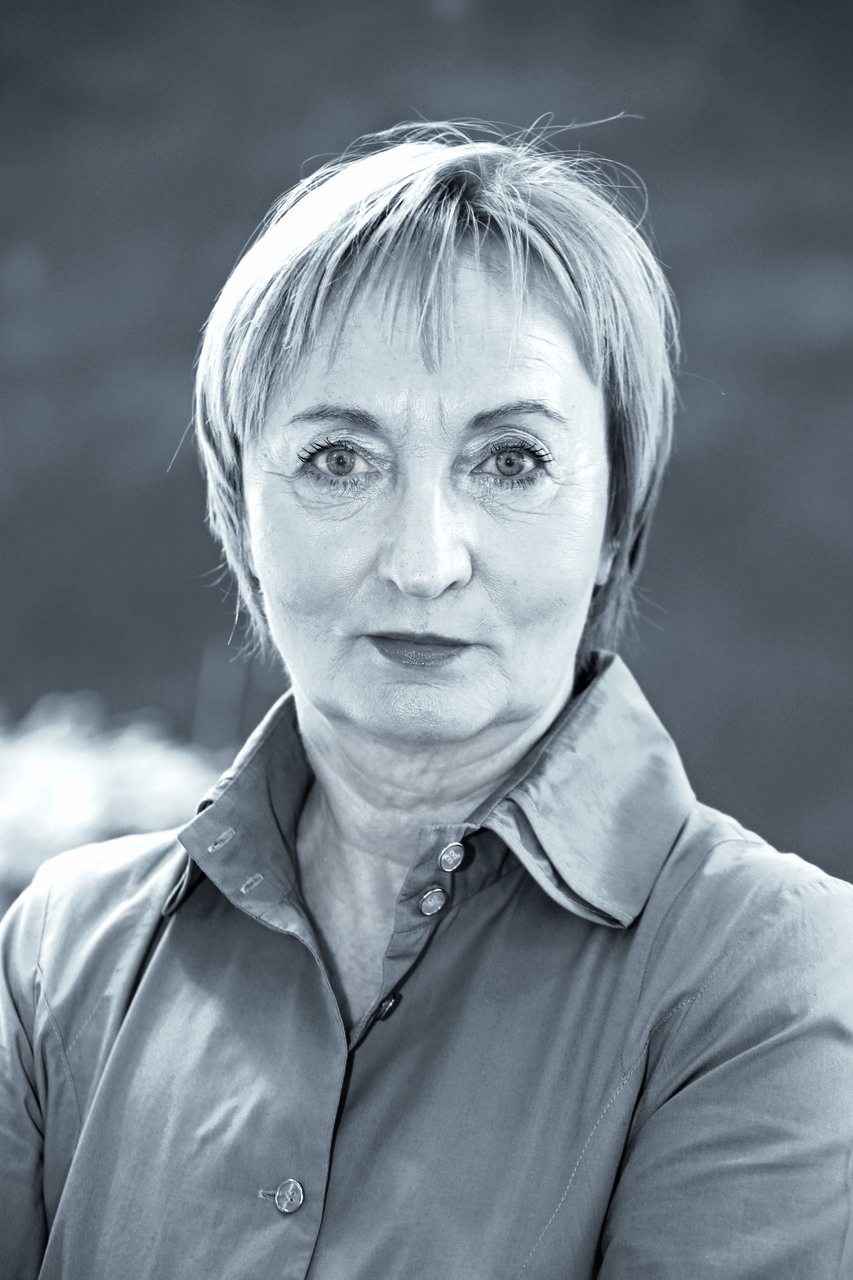
In the 1990s, it was privatized and passed into the ownership of various shareholders – from state funds to private investors – and the last chairman of the Supervisory Board was one of the more agile domestic entrepreneurs, Jakov Bienenfeld (who also had a travel agency and a construction company, and was best known in business for bringing Escada to Croatia). At the helm of Nama from 1996 was Marija Šola (later better known from the titular role in the ‚Mamma Mia‘ affair related to the siphoning of money from Karlovačka banka), and at that time the company began to decline.
The Longest Active Bankruptcy in the World
Experienced Joško Zavoreo, a former deputy minister of finance, tried to save it, but soon resigned, and on June 30, 2020, bankruptcy proceedings were initiated, which continue to this day. If artificial intelligence is to be believed, the longest bankruptcy agony in the world was experienced by the Indian Berhampore Bank. It lasted a staggering 72 years – from 1951 to 2023. Thus, Nama remains with the honorary title of the longest ongoing bankruptcy process, having entered its 25th year, as the bankruptcy process of Lehman Brothers, which, despite the proverbial American efficiency, has not yet been completed, was opened only in 2008. However, it seems that the Zagreb bankruptcy is nearing its end.