At the site of a former automobile factory at the foot of Mount Fuji in Japan, Toyota is nearing completion of the first phase of construction of its futuristic project called Woven City. As announced at this year’s CES in Las Vegas, the ‚living laboratory‘ is expected to welcome its first residents in the fall of 2025, with the official opening planned for 2026.
Toyota Woven City is not an ordinary urban community. According to Toyota’s president, Akio Toyoda, it is a ‚prototype of the city of the future‘ that combines technology, mobility, and co-creation.
– Woven City is a place where people not only live, work, and have fun, but also invent and develop new products and ideas in a real environment – Toyoda emphasized.
The city will enable the testing of autonomous vehicles, smart home technology, robotics, and new mobility products. The first residents, called Weavers, will be employees of Toyota and its subsidiaries, including the startup Woven by Toyota.
First phase: 100 residents
By the fall of 2025, 100 people will live in the city, while the number of residents will increase to 360 by the end of the first phase. In the long term, Toyota plans to expand the community to 2,000 people through subsequent development phases. In later phases, external innovators and their families will also join. Interestingly, among the first companies in the city will be companies from the food industry, including startups experimenting with new concepts like futuristic cafes.
Woven City is architecturally signed by Danish architect Bjarke Ingels, while energy sustainability will be ensured by Toyota’s hydrogen fuel cell systems. The city will have three types of roadways – one for fast vehicles, another for slower personal mobility devices like bicycles and scooters, and a third exclusively for pedestrians.
Although the concept of corporate cities is not new – Tesla and SpaceX are also building communities for their employees – Woven City goes a step further by creating a real city with long-term infrastructure and a permanent population. Toyota aims to avoid potential controversies like those that halted Google’s Sidewalk Labs project in Toronto. The focus is on improving quality of life and protecting privacy, as evidenced by the achievement of LEED Platinum certification, the highest recognition for sustainability.
Toyota, which is currently lagging behind competitors in the electric vehicle segment, is using Woven City as a platform to test new technologies. With its rich experience in hybrid vehicles, this initiative could be a crucial step towards catching up in the development of electric mobility.
Woven City is not just an experiment in urban construction but also a bold step towards redefining the role of the automotive industry in urban development, with the ambition of setting new standards in sustainability, innovation, and quality of life.
Starbase issues
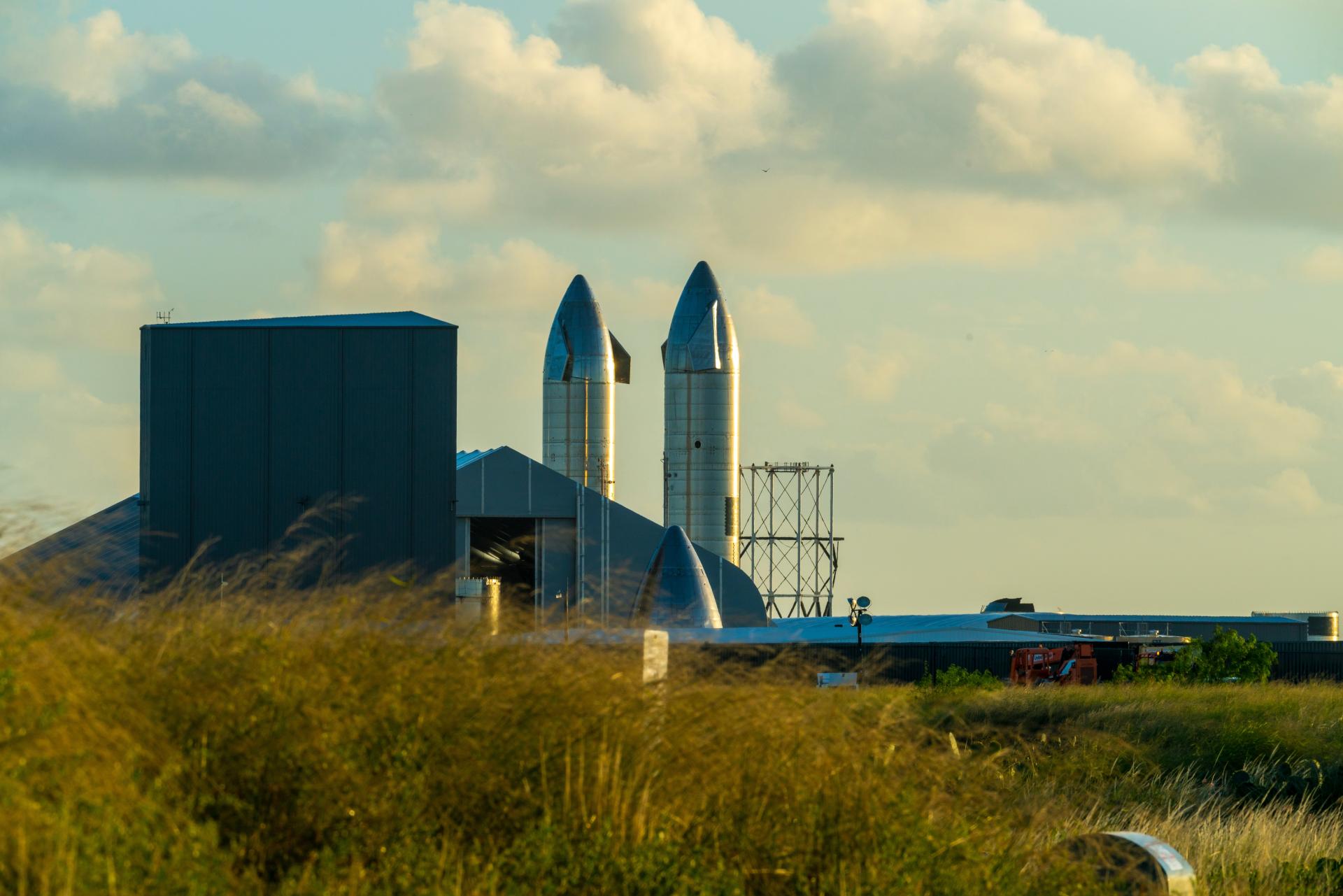
As mentioned, Elon Musk has long been announcing his corporate city, which he plans to call Starbase and which will be located in the coastal part of southern Texas, where his rocket company SpaceX is headquartered. Although the idea has long stagnated, partly due to Texas laws requiring a certain number of residents and majority voter support for the establishment of a new municipality, SpaceX has slowly been settling workers into renovated mid-20th-century homes and temporary accommodations like silver Airstream trailers near its launch facilities. In recent months, SpaceX employees living in the area have taken the first official step towards establishing a city by gathering signatures and submitting an official request to hold elections. The petition, submitted to the Cameron County authorities and shared with The New York Times based on a public records request, reveals the first details about the size and organization of the city that Musk and his company envision. If the county approves the request, residents could vote for the election of three city officials, including a mayor. The petition suggests that the first mayor will be Gunnar Milburn, SpaceX’s security manager.